
Most homeowners do not consider maintenance when planning a new landscape. They focus on the appearance, which is understandable. However, the decisions made during the design phase determine the time and money spent on yard care for years to come.
Professional landscape design services do more than create beautiful outdoor spaces. When done correctly, they build a yard that is nearly self-sufficient. This post explores the specific choices that make this possible and why getting them right at the start prevents future headaches.
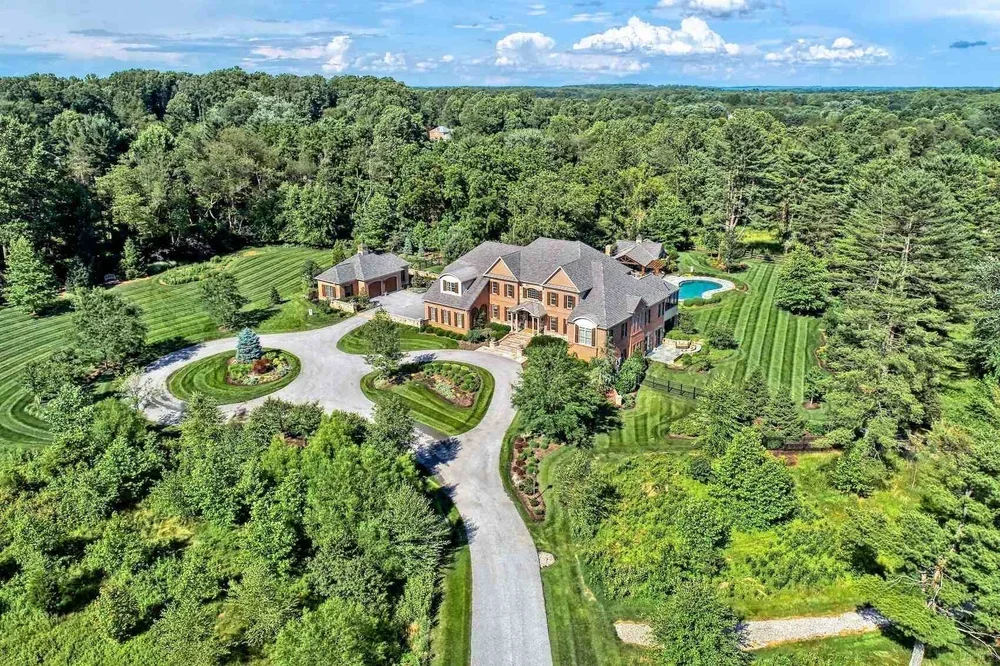
Why Most Yards Cost More to Maintain Than They Should
A yard that constantly demands attention was usually designed without maintenance in mind. Common issues include excessive lawn areas, plants requiring frequent trimming or treatments, and beds that fill with weeds every spring. Additionally, drainage problems can damage plants and hardscaping year after year.
These are not bad luck. They are the result of design decisions, or the absence of them.
Thoughtful planning eliminates many of these problems before they begin. This is the real value of professional landscape design: a yard that looks excellent on day one and remains durable over time without constant intervention.
Smart Plant Selection Cuts Long-Term Labor and Water Costs
A major driver of ongoing maintenance expenses is improper plant placement. A shrub that grows too large for its space requires constant pruning. Similarly, a plant that struggles with local soil or temperatures will need more water, fertilizer, and attention than one suited to the environment.
In the Dover, PA area, winters are cold, summer heat is intense, and clay-heavy soil is common. Choosing plants adapted to central Pennsylvania means they establish faster, require less water once rooted, and are less prone to pests and diseases.
Research supports this approach. According to the EPA, landscape irrigation accounts for approximately one-third of all residential water use. Landscapes designed with regionally appropriate plants can use 50 to 75 percent less water than traditional turf-heavy designs. This results in significant savings on water bills and reduces time spent on irrigation management.
Proper Spacing and Plant Grouping Prevent Future Problems
A common mistake in residential landscaping is planting items too close together. While it looks lush immediately after installation, plants will eventually crowd each other. This leads to competition for light and nutrients, requiring constant intervention to manage growth.
Design that accounts for mature plant sizes and groups them by water needs reduces pruning, supplemental watering, and replacements. This approach, known as hydrozoning, keeps plants healthier and simplifies your maintenance schedule.
The Role of Mulch in Reducing Annual Yard Work
Mulch is a simple yet powerful tool for low-maintenance design. A 3 to 4 inch layer of organic mulch in your planting beds provides several benefits:
Suppresses weed growth by blocking sunlight from reaching the soil
Reduces moisture evaporation, so plants need less frequent watering
Moderates soil temperature during hot Pennsylvania summers and cold winters
Improves soil health as it breaks down over time
Research from Iowa State University found that mulching can reduce soil moisture loss by up to 40 percent. This translates to fewer watering cycles, less drought stress for plants, and lower water bills throughout the growing season.
A well-designed planting plan accounts for mulch from the start, so beds are sized and shaped to hold it properly and keep it looking tidy without constant refreshing.
Hardscaping That Does Not Fight the Land
Patios, walkways, and retaining walls are more than aesthetic features. They dictate how water moves across your property and can either simplify or complicate your maintenance needs based on their design.
A patio installed without proper drainage will shift, crack, and require repairs much sooner than one built with correct base preparation. Similarly, a retaining wall without adequate drainage will bow or fail under the pressure of saturated soil.
Getting these details right during the design phase costs nothing extra. Fixing them after the fact can cost thousands.
When hardscaping works with the natural grade of the property and includes proper drainage, it lasts longer and requires less attention. This long-term perspective is a hallmark of quality landscape design services.
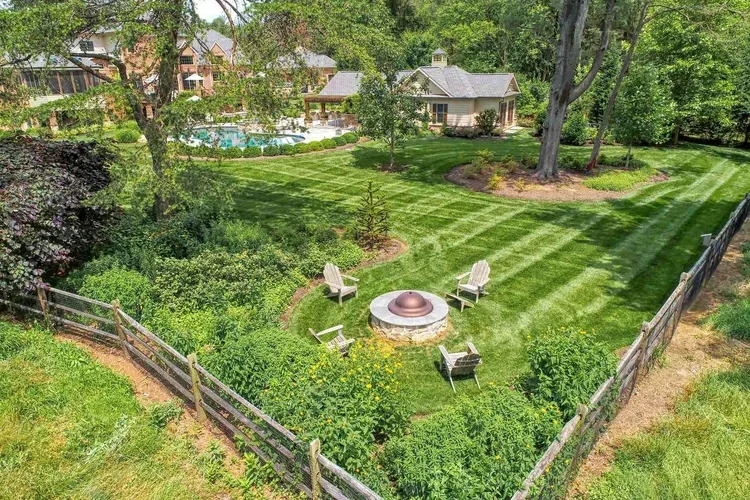
Reducing Lawn Area Where It Makes Sense
The lawn is one of the most labor-intensive parts of any yard. Mowing, edging, fertilizing, aerating, treating weeds, and managing irrigation all add up quickly in both time and money.
Effective design considers where a lawn serves a functional purpose. For example, open flat areas are ideal for children or pets. Conversely, a narrow strip between a fence and a driveway is often better suited for low-maintenance ground cover, stone, or a simple planting bed.
Strategically reducing turf in areas without a specific function is a reliable method for cutting ongoing maintenance costs over the life of your landscape.
Planning for the Long View Across Central Pennsylvania
Central Pennsylvania's weather patterns are worth designing around specifically. York County sees heavy rain in spring, periods of heat and drought in July and August, and freeze-thaw cycles through late fall and early spring that are hard on anything not properly installed.
Grading and drainage must account for these seasonal extremes. Plant materials should be able to withstand summer humidity and January cold. Furthermore, hardscape materials and installation methods must be selected to resist frost heave and temperature swings.
These considerations separate a yard that looks great five years later from one that is already showing significant issues.
Ready to Design a Yard That Works for You?
If you are planning a new outdoor space or thinking about updating an existing one, the best time to get the maintenance equation right is at the design stage. Once plants are in the ground and hardscaping is poured, the decisions get a lot harder to change.
At Hively Landscapes, our team works through the details before a single plant goes into the ground. We look at drainage, soil conditions, sun exposure, and how you actually plan to use the space. Our landscape design services are built around creating outdoor spaces that look great and stay manageable over time.
Call us at (717) 292-5696 to schedule a consultation, or visit our project portfolio and blog to see how we approach design and installation across Dallastown, Manchester, Red Lion, East York, Wyndham Hills, Outdoor Country Club, Brittany Estates, Hanover, Mechanicsburg, and surrounding areas.
Frequently Asked Questions
How does landscape design reduce maintenance costs?
Smart design reduces maintenance by matching plants to the site's soil and sun conditions, sizing beds and spacing plants for long-term growth, improving drainage, and minimizing high-maintenance lawn areas. The savings add up in labor, water use, and fewer plant replacements over time.
What landscape design choices reduce watering needs?
Choosing plants suited to your regional climate, grouping plants by water requirements, and using mulch in all planting beds are the three most effective ways to cut irrigation needs. Properly designed drip systems also help compared to overhead sprinklers.
Does reducing lawn area really save money?
Yes. Lawn is one of the most expensive parts of a yard to maintain when you factor in mowing, edging, fertilizing, aeration, and pest control. Replacing low-use lawn areas with mulched beds, ground cover, or hardscaping can meaningfully reduce both time and money spent on upkeep.
What is the most common design mistake that increases maintenance?
Planting too close together without accounting for mature plant sizes is the most common issue. It leads to overcrowding, competition between plants, and the need for constant pruning. Poor drainage planning is a close second, causing repeated damage to both plants and hardscaping.
How does mulch help reduce landscape maintenance?
Mulch suppresses weeds, retains soil moisture, regulates soil temperature, and improves soil health as it breaks down. Applied at the right depth, it can reduce soil moisture loss by up to 40 percent and significantly cut down on weeding time throughout the season.
How important is drainage to long-term landscape maintenance costs?
Very important. Poor drainage kills plants, causes hardscape to shift and crack, and creates ongoing problems that require repeated repairs. Addressing drainage during the design phase is far less expensive than correcting it after construction.
Does professional landscape design really pay off in the long run?
Yes. The American Society of Landscape Architects reports that professionally landscaped homes sell for 15 to 20 percent more at resale. Beyond value, a well-designed yard costs significantly less to maintain each year than one that was installed without a long-term plan.
About the Author:
The Team at Hively Landscapes
The Team at Hively Landscapes has been serving the Southeastern Pennsylvania area for over 57 years. Founded on a commitment to quality craftsmanship, thoughtful design, and outstanding customer service, the team is dedicated to helping clients bring their outdoor visions to life.
From initial consultation to final installation, our experts create exceptional outdoor spaces, including patios, outdoor living areas, and sustainable landscapes, while fostering a company culture that values professional growth and excellence. Focusing on eco-friendly methods and long-lasting results, the Team at Hively Landscapes is here to ensure your property remains a beautiful and functional sanctuary.